








Best Way to Detail an Engine: Essential Reading and Resources
Disclosure: This post contains affiliate links. If you click through and make a purchase, I may earn a small commission at no extra cost to you.
Engine detailing and engine rebuilding are related but distinct disciplines. Cleaning the engine bay for appearance is one activity; understanding the mechanical systems underneath requires a different kind of knowledge. Both have their place in proper car ownership.
The products on this list reflect the automotive education resources that inform what's under the hood: from performance racing to vehicle mechanics fundamentals to dedicated coaching memoirs from competitive motorsport. If you're going to work on or around an engine, understanding what you're looking at makes every maintenance decision better.
Quick Picks
| Product | Best For | Price | Link |
|---|---|---|---|
| Racing to the Finish (Chad Knaus) | Best NASCAR strategy | Check Price | View on Amazon |
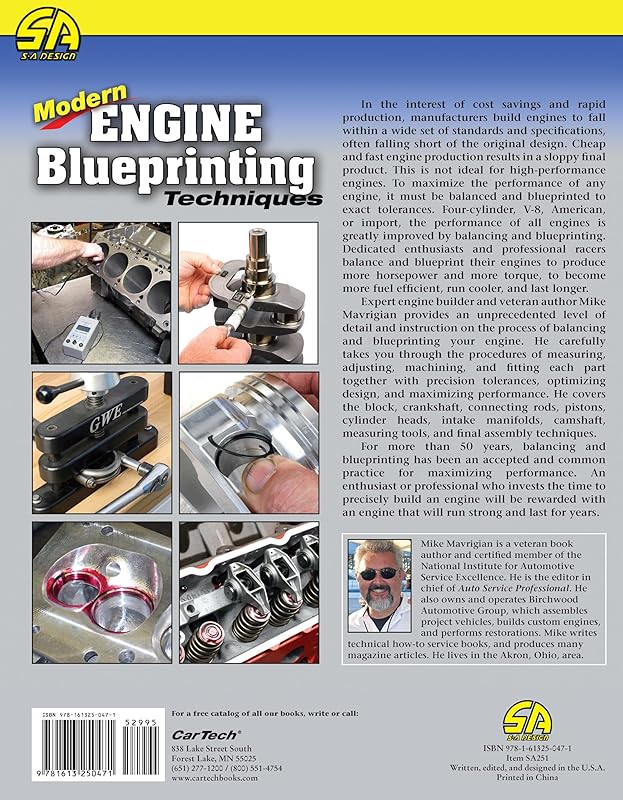
| Modern Engine Blueprinting | Best engine building guide | Check Price | View on Amazon |
| How Cars Work | Best automotive fundamentals | Check Price | View on Amazon |
Understanding What's Under the Hood
Engine detailing, at its core, requires knowing what you're working around. A clean engine bay looks impressive, but working in that space with confidence means understanding what each component does, where the sensitive electronics are, and how the systems interact.
The resources in this category span automotive education from fundamentals to professional racing strategy, providing context for anyone who wants to approach engine care with more than just a can of degreaser.
Racing to the Finish by Chad Knaus
Racing to the Finish is the memoir and strategy guide from Chad Knaus, one of the most successful NASCAR crew chiefs in history. His work with Jimmie Johnson resulted in seven Cup Series championships, and this book covers the management philosophy, technical decision-making, and competitive strategy behind that success.
For anyone interested in motorsport or the engineering mindset that goes into competitive automotive performance, this is a compelling read from someone who operated at the highest level for decades.
What it covers: Team management, technical strategy, NASCAR rule interpretation, competitive psychology, engineering decision-making under pressure.
Who it's for: NASCAR fans, motorsport enthusiasts, people interested in high-performance automotive engineering as a career or hobby.
Modern Engine Blueprinting Techniques
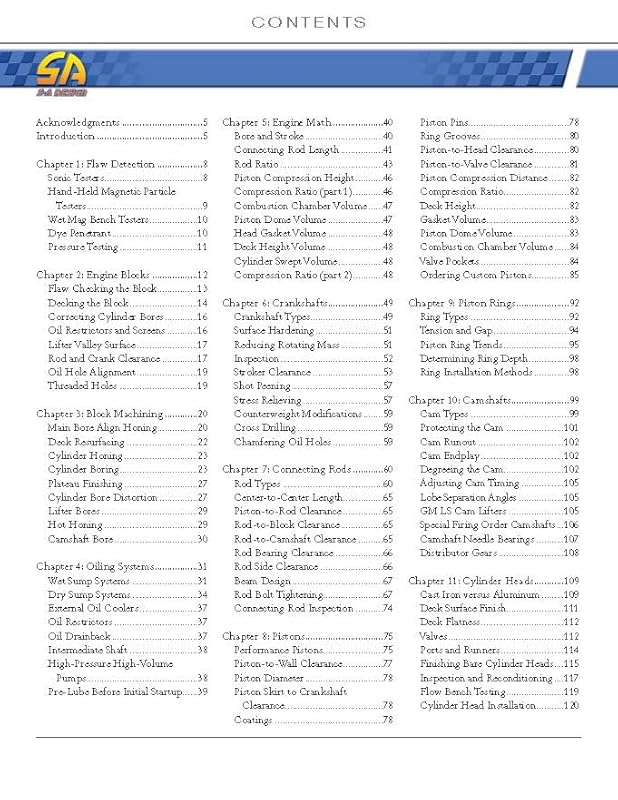
Modern Engine Blueprinting Techniques is a technical reference for engine builders working on performance modifications. Engine blueprinting refers to the process of precisely measuring and adjusting internal engine components to exact specifications, reducing friction and increasing consistency.
For car owners who want to understand what professional engine builders actually do, or for hobbyists who work on their own engines, this is the technical foundation behind engine machining and assembly work.
What it covers: Precision measurement of engine components, clearance specifications, balancing procedures, cylinder head work, and the technical vocabulary of engine building.
Who it's for: Performance enthusiasts, engine builders, hobbyists who want to understand what goes into a professionally built engine.
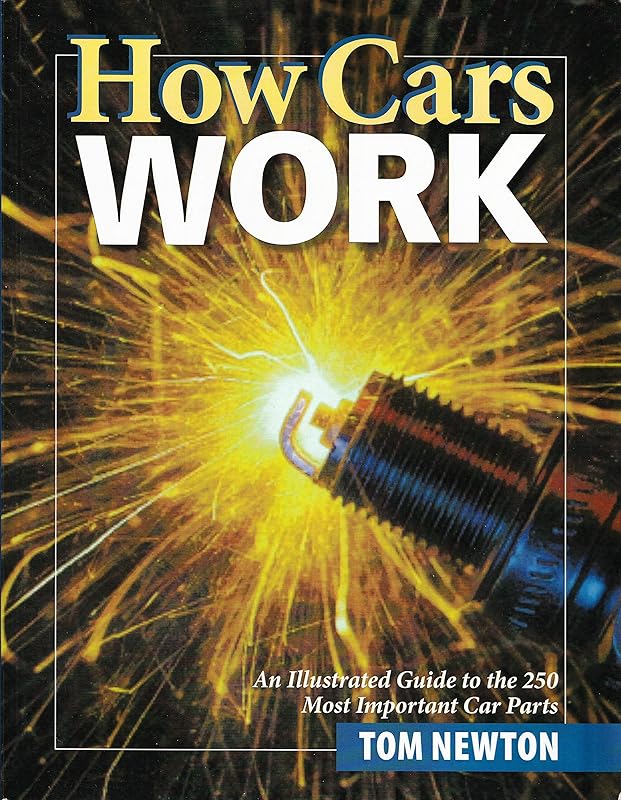
How Cars Work by Tom Newton
How Cars Work is widely considered the best introductory reference for understanding automotive systems. The illustrated format makes complex systems accessible to readers without mechanical backgrounds, covering everything from engines and transmissions to cooling systems and electrical components.
For a car owner who opens the hood and sees a confusing array of components, How Cars Work provides the context to understand what's in front of you. This knowledge directly applies to engine detailing, because you'll know which components to protect from moisture and chemicals during the cleaning process.
What it covers: Engine operation, transmission basics, braking systems, electrical systems, and general automotive mechanical principles with clear illustrations.
Who it's for: Anyone who wants to understand their car's mechanical systems, from new drivers to experienced owners who never had formal mechanical education.
Buying Guide: Automotive Education Resources
Why Understanding Your Engine Matters for Detailing
Engine detailing without understanding the components underneath is working blind. Knowing that the alternator is moisture-sensitive, that the fuse box needs to be covered, and that certain electrical connectors don't respond well to degreaser application makes the process safer and more effective.
Automotive education resources provide this foundation. A few hours with How Cars Work before your first engine bay cleaning session will dramatically change your confidence in working in that space.
From Cleaning to Performance
The jump from cleaning an engine bay to understanding how that engine actually works is shorter than it seems. Many enthusiasts who start with cosmetic detailing develop genuine mechanical interest when they start recognizing the components they're cleaning.
Modern Engine Blueprinting provides the high end of this spectrum for those who want to understand performance modifications. How Cars Work provides the accessible entry point.
Racing Methodology Applied to Maintenance
Chad Knaus's approach to racing strategy, constant improvement, and precise execution translates directly to organized car maintenance. The same systematic thinking that went into Championship-winning race strategy applies to developing a consistent maintenance routine for your own vehicle.
Frequently Asked Questions
What's the best book for learning about car mechanics from scratch? How Cars Work by Tom Newton is consistently recommended as the most accessible introduction to automotive mechanics. The illustrated format and systematic coverage make it approachable for readers without mechanical backgrounds.
Do I need special training to detail my own engine bay? No specialized training is required, but understanding what you're working around helps significantly. Reading about automotive systems before starting is worthwhile. The key practical rules are: let the engine cool, cover electronics, use low-pressure water, and dry thoroughly before starting the car.
What resources explain NASCAR engineering? Chad Knaus's Racing to the Finish covers the engineering and strategy from a championship crew chief's perspective. For deeper technical material, NASCAR-specific engineering texts and the team's official documentation (available through motorsport media) provide more detail.
How can I learn to rebuild an engine at home? Modern Engine Blueprinting Techniques covers the precision work involved. For beginners, starting with a complete factory service manual for your specific vehicle provides the model-specific specifications and procedures. Engine rebuilding requires specialized tools and is a significant project, but the educational resources to support it are widely available.
What's the difference between engine cleaning and engine detailing? Engine cleaning removes grime and contamination. Engine detailing adds a protective layer to surfaces after cleaning, dresses plastic covers and rubber hoses, and brings the engine bay to a visually finished state. Both require understanding the components you're working around.
Conclusion
Understanding your car's engine, from how it works to how professionals optimize it for performance, makes you a better car owner and a more informed detailer. The resources on this list cover that spectrum: from accessible fundamentals to championship-level racing strategy.
How Cars Work is the starting point for anyone who wants to understand automotive systems. Modern Engine Blueprinting goes deeper for those interested in performance. And Racing to the Finish provides the competitive engineering mindset from one of motorsport's most successful practitioners.
Explore more car care content at detail shops near you, exterior detailing services, and professional exterior detailing.