





Affiliate disclosure: This article contains affiliate links. If you buy through our links, we may earn a commission at no extra cost to you.
Best Ceramic Coating for Wheels: Complete Buyer's Guide
Wheels take abuse that paint never sees. Brake dust, road grime, heat from rotor temperatures exceeding 400°F during spirited driving, and chemical contamination from wheel cleaners all attack the finish. Most paint-focused ceramic coatings aren't designed to handle these conditions, which is why wheel-specific ceramic protection deserves its own consideration.
This guide covers the best ceramic coating options for wheels, from dedicated wheel ceramic products to multi-surface ceramics that work well on rim surfaces, including options with different price points and application complexity levels.
I tested products across aluminum, painted, and powder-coated wheel finishes. The criteria: resistance to brake dust adhesion (not just initial water beading), compatibility with periodic wheel cleaner use, and ease of reapplication when the coating eventually needs refreshing.
Quick Picks
| Product | Best For | Price |
|---|---|---|
| SONAX Ceramic Tire + Wheel Detailer | Dedicated wheel + tire ceramic | $17.99 |
| TEC582 Ceramic Detail Spray | Professional spray ceramic for all surfaces | $25.99 |
| Turtle Wax Hybrid Solutions Spray | Budget-friendly entry with 28K+ reviews | $14.99 |
| Griot's Garage Ceramic 3-in-1 | Multi-surface spray for paint and wheels | $21.99 |
| CLEAN. Ceramic Coating 8-Year | Maximum durability liquid coating | $149.99 |
Product Reviews
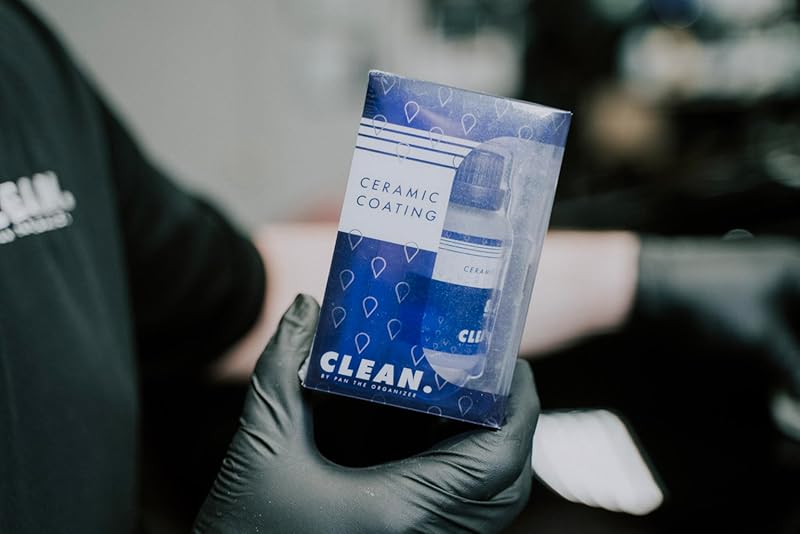
CLEAN. Ceramic Coating 8-Year
CLEAN.'s premium 8-year ceramic is engineered to handle paint, but its chemical resistance specs make it equally compelling for wheel protection.
Standout features: - Resists chemicals at pH 1-14, which covers the aggressive wheel cleaners that damage lesser coatings - Works on painted, clear-coated, and bare metal surfaces including aluminum wheels - High-gloss mirror finish that makes brake dust cleanup dramatically easier
For wheels on a serious enthusiast vehicle, applying a permanent liquid ceramic coating makes long-term maintenance significantly easier. Brake dust, the primary nemesis of wheel cleanliness, has difficulty bonding to properly ceramic-coated rim surfaces. Instead of scrubbing stuck brake dust, a rinse and gentle brush usually handles it.
The $149.99 for 30ml covering two cars extends to wheels as well, though wheels require more product per surface area than bodywork panels. Factor in that you may use more product covering complex spoke designs versus simple flat alloys.
At 42 reviews, the validation is limited. But the chemistry aligns with what wheel enthusiasts need: extreme chemical resistance, UV protection against heat discoloration, and a hard surface that resists brake dust adhesion. If you're having wheels professionally detailed or refinished, getting them coated at the same time makes obvious sense.
Pros: - pH 1-14 chemical resistance handles aggressive wheel cleaners - Mirror-like finish makes brake dust removal effortless - Covers all wheel types and finishes
Cons: - Requires clean, decontaminated wheel surfaces before application - Limited reviews for confidence in real-world performance - Application to complex wheel designs (multiple spokes, deep dishes) requires patience
Hatinix 20H Graphene Ceramic Coating (70ml)
Hatinix's graphene ceramic offers the self-cleaning behavior that makes wheel maintenance much less intensive, with heat resistance that standard ceramic coatings lack.
Standout features: - Graphene addition provides superior heat resistance for wheel surfaces near rotor temperatures - Self-cleaning water behavior where water rolls off carrying brake dust with it - 82% active content for serious protection versus thin consumer formulas
The graphene component is genuinely relevant for wheel applications. Standard ceramic coatings can struggle with the heat cycling that wheel surfaces experience, particularly on track-driven vehicles or performance cars with large brakes. Graphene's natural heat resistance means the coating maintains its properties better under thermal stress.
At 26 reviews with 5 stars, this is a promising but unvalidated product. For street vehicles with occasional spirited driving, the heat issue with standard ceramics is minimal. For track day use, the graphene advantage becomes more meaningful.
Pros: - Superior heat resistance for wheel surfaces - Self-cleaning effect dramatically reduces brake dust adhesion - 70ml provides generous coverage including wheels
Cons: - Very limited reviews for a product making significant claims - Track-day vehicles need coating reapplication more frequently regardless - Application to wheels requires removal and cleaning first for best results
CLEAN. Ceramic Coating 3-Year
The 3-year CLEAN. Coating offers the same chemical resistance benefits for wheels as the 8-year version with a more forgiving cure window, making it practical for a DIY wheel coating project.
Standout features: - Water-ready in 1 hour, which matters when you want to reinstall wheels the same day - Safe on all wheel surfaces including painted, chrome, and anodized finishes - Extreme hydrophobic surface chemistry reduces brake dust adhesion
The 1-hour water readiness is specifically relevant for wheel applications. Most coating projects happen with wheels on the car, so rain protection matters. Being able to coat wheels in the garage in the afternoon without worrying about overnight moisture is practical.
At $99.99 for two cars worth of coverage, applying this to wheels means understanding that you're using part of that 30ml allocation. If you plan to coat both the paint and wheels, factor product usage accordingly. For wheels only on a single vehicle, 30ml should be more than sufficient for standard wheel sizes.
Pros: - 1-hour water readiness is practical for wheel applications - 3-year protection provides meaningful durability over spray alternatives - Safe on all wheel finish types
Cons: - Coverage calculations should account for wheel complexity - Full 7-day cure still requires care during initial period - Surface prep (iron fallout removal, wheel cleaner decontamination) is critical before application
SONAX Ceramic Tire + Wheel Detailer (750ml)
SONAX's Ceramic Tire + Wheel Detailer is purpose-built for tire and wheel surfaces, addressing the specific protection needs that paint-focused ceramics often miss.
Standout features: - Specifically formulated for tire and wheel surfaces with hydrophobic ceramic protection - Prevents tire cracking, aging, and the oxidation-induced browning that makes tires look old - Safe on painted, chrome, aluminum, and all wheel types with high-gloss finish
This is the product I'd recommend for someone who wants to prioritize wheel and tire care without committing to a full-vehicle liquid ceramic coating application. The purpose-built formulation means SONAX has optimized the chemistry for wheel-specific contamination (brake dust, iron fallout, road tar) rather than adapting a paint product.
Tire cracking and browning prevention is particularly valuable in hot climates. UV exposure accelerates rubber oxidation, which causes the brown discoloration detailers call "tire bloom" and eventually leads to surface cracking. A ceramic barrier slows this process significantly.
At $17.99 with only 2 reviews, the track record is almost nonexistent. SONAX is a respected European detailing brand with solid quality standards, which gives me confidence the formulation is competent. But any honest review has to acknowledge that 2 reviews is functionally no data for consumer validation. Buy this as an early adopter with a respected brand, not as a proven product.
Pros: - Purpose-built for wheels and tires, not a paint product adapted to wheels - Addresses tire aging and browning that general ceramics ignore - 750ml is generous coverage at the price
Cons: - Only 2 reviews, essentially no consumer validation - Spray ceramic longevity measured in months, not years - Requires consistent reapplication to maintain protection
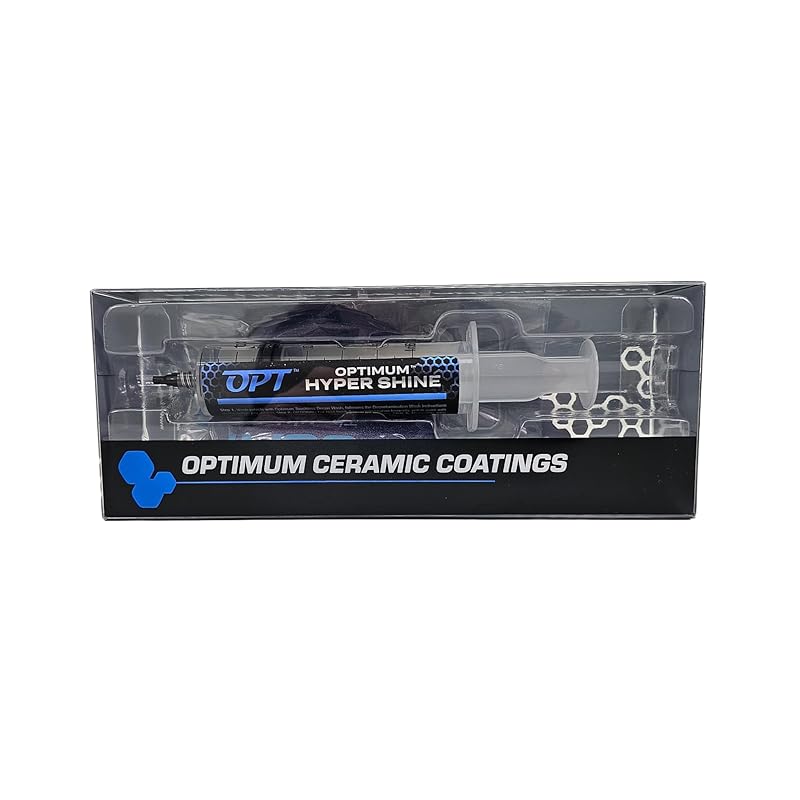
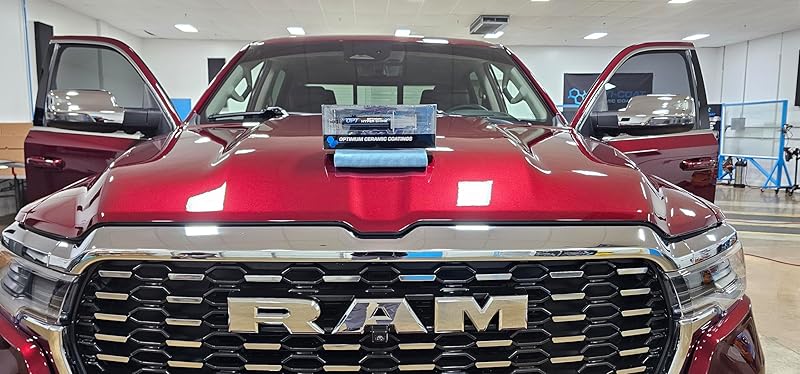
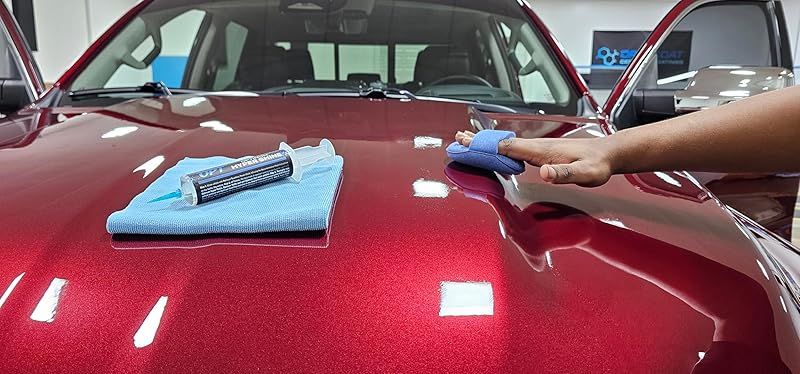
Optimum Hyper Shine DIY Ceramic Coating (15ml)
Optimum's Hyper Shine is designed to be genuinely user-friendly for DIY application, claiming no high-spot issues and up to 3 years of protection from a 15ml bottle.
Standout features: - Claims no high-spot formation during application, the most common DIY ceramic coating failure mode - Easy application without polishing required as a prerequisite in all cases - Fills light swirls and scratches while coating, providing paint correction benefits
The no-high-spots claim deserves attention. High spots are the visible streaks and uneven buildup that occur when ceramic coating cures unevenly on the panel surface. Removing them requires machine polishing, which can damage the coating application entirely and requires starting over. If Hyper Shine genuinely eliminates this failure mode, it removes the primary risk of DIY ceramic coating application.
Optimum Polymer Technologies has strong credentials in the detailing community. Their No Rinse Wash and ONR products have excellent long-term track records. Hyper Shine is newer, with only 1 review, making specific performance claims difficult to validate yet.
At $149.99 for 15ml, this is the most expensive per-ml product in this guide. For DIY applicators who want the confidence of a more forgiving formula, the premium might be worth it. But with 1 review, this is a significant financial commitment on minimal consumer feedback.
Pros: - No-high-spot claim removes the most stressful risk of DIY ceramic coating - Established brand with strong product development history - Up to 3 years protection with an accessible application process
Cons: - Only 1 review, essentially no consumer validation - $149.99 for 15ml is highest per-ml cost in this comparison - 3-year protection claim requires verification over time
Technicians Choice TEC582 Ceramic Detail Spray (1 Gallon)
TEC582 is the professional favorite for comprehensive exterior protection including wheels, glass, trim, and chrome from a single product.
Standout features: - Specifically tested for all exterior surfaces including wheels, plastic trim, chrome, and glass - Professional-grade hydrophobic performance in a spray-and-wipe application - Gallon format for volume users or professional detailers
For wheel-specific use, TEC582 delivers on its multi-surface promise. Applying it to clean aluminum or painted wheels after washing creates a hydrophobic barrier that makes brake dust cleanup dramatically faster. The gallon size means this is a realistic option for running wheel protection as part of a regular maintenance program.
The 3,011 reviews at 4.8 stars with specific references to wheel use in community discussions confirm this product works as advertised. For the detailing hobbyist who wants one product to handle all exterior surfaces, TEC582 is a proven choice.
Pros: - Proven professional track record across all exterior surfaces - Gallon size supports high-frequency maintenance application - Excellent hydrophobic performance that reduces brake dust adhesion
Cons: - Spray ceramic protection measures in months, not years - Gallon overkill for casual home users - Still requires clean, iron-decontaminated wheels for best adhesion
Chemical Guys HydroSpeed Ceramic Quick Detailer (16 oz)
HydroSpeed's SiO2 formula works on wheels as part of its multi-surface ceramic protection, suitable for use after washing as part of a regular maintenance routine.
Standout features: - SiO2 ceramic polymers bond to wheel surfaces for hydrophobic brake-dust repellency - Works as booster for any existing ceramic, wax, or sealant protection on wheels - Fast spray-and-wipe application that integrates into post-wash routine
For wheels that already have some protection, HydroSpeed works well as a maintenance booster. Spraying it on clean, dry wheels after washing and wiping with a dedicated wheel microfiber adds a fresh hydrophobic layer that reduces the effort of the next cleaning.
The 3,525 reviews validate the product's performance across diverse use cases. Chemical Guys' pricing is a common complaint among enthusiasts, and that criticism applies here at $24.97 for 16 oz when comparable alternatives exist at lower prices.
Pros: - SiO2 chemistry provides genuine ceramic hydrophobics on wheel surfaces - Integrates easily into existing wash routine - Strong validation from thousands of verified reviews
Cons: - More expensive per oz than some competitors - Brake dust resistance requires consistent reapplication - Doesn't address tire aging and browning the way wheel-specific products do
Griot's Garage Ceramic 3-in-1 Wax (22 oz)
Griot's three-in-one formula handles paint, wheels, rubber trim, and chrome from a single spray application.
Standout features: - Works on wheels and chrome alongside paint and rubber trim surfaces - SiO2-infused shield defends against brake dust adhesion and oxidation on wheel surfaces - Made in the USA with consistent quality reputation
For someone who wants to simplify their detailing product arsenal, Griot's 3-in-1 makes the case that one product can handle all your exterior surfaces competently. Wheels included.
The 3,221 reviews at 4.7 stars confirm real-world satisfaction. Griot's products have a strong following in the DIY enthusiast community for delivering premium results at mid-range prices. This is a safe choice for wheels that don't need extreme protection, particularly on casual daily drivers.
Pros: - Single product covers all exterior surfaces including wheels and chrome - Well-validated with thousands of positive reviews - Practical value as a maintenance product across the full vehicle exterior
Cons: - Spray wax durability on wheels is shorter than on paint due to wheel wash frequency - Doesn't address tire protection specifically - Wheel surface contamination from brake dust benefits from more durable coating on track vehicles
Turtle Wax Hybrid Solutions Ceramic Wet Wax (26 oz)
Turtle Wax's Ceramic Wet Wax applies as you dry, delivering ceramic protection plus gloss enhancement in a single step that works on paint, glass, and wheels.
Standout features: - One-step spray-on application to a just-washed, wet vehicle - Ceramic-infused polymers repel UV, dirt, and contamination on all surfaces - Accelerates drying while leaving a hydrophobic ceramic layer
The wet-application format is genuinely convenient. Rather than drying the car first and then applying a separate protectant, you apply Wet Wax during the drying process. For busy detailers who want to maintain ceramic protection without adding time to their wash routine, this format is attractive.
At $8.80 with 6,648 reviews at 4.6 stars, this is outstanding value. If you want to maintain basic ceramic protection on your wheels without spending much money or time, Turtle Wax Ceramic Wet Wax is hard to argue against.
The limitation is protection intensity. A spray-and-dry product applied once per wash delivers modest protection compared to spray ceramics applied as dedicated protection steps, which in turn fall below applied liquid coatings. It's the most convenient option, not the most protective.
Pros: - Outstanding value at $8.80 with strong review validation - Integrates into drying process for zero additional time investment - Works on wheels as part of full exterior application
Cons: - Most convenient, least protective of the ceramic options - Wheel-specific protection benefits are minimal compared to dedicated products - Needs application every single wash to maintain even modest protection
Buying Guide: Ceramic Coating for Wheels
Wheel Surface Prep Matters More Than Product Choice
Before any ceramic product will bond properly to wheels, iron fallout decontamination is essential. The tiny metallic particles from brake dust that embed in wheel surfaces prevent ceramic coatings from bonding correctly. An iron fallout remover (which typically turns purple on contact with iron particles) followed by a thorough wheel cleaner application is the minimum prep for ceramic coating application.
Temperature and Chemical Resistance
Wheels see higher temperatures than bodywork. Even on street vehicles, brake rotor temperatures during normal driving regularly exceed 200°F, with nearby wheel surfaces reaching 150°F+. Performance drivers see much higher temperatures. Graphene ceramic coatings handle this better than standard SiO2 ceramics. For track use, reapplication after each event is realistic regardless of product choice.
Spray vs. Applied Coatings for Wheels
The choice is similar to bodywork: convenience versus durability. Spray ceramics need reapplication every 1-3 months depending on wash frequency and environmental conditions. Applied liquid coatings last years but require wheel removal (or careful masking) for proper application. Most enthusiasts who get serious about wheel protection eventually apply a liquid coating at a tire change service.
Brake Dust Type Matters
Organic brake pads generate softer brake dust that's easier to remove from even unprotected surfaces. Metallic and semi-metallic pads generate iron particles that bond harder to surface finishes. Performance vehicles with metallic-compound brakes benefit more from ceramic coating than street cars with organic pads.
Compatibility with Wheel Cleaners
Not all ceramic coatings survive repeated use of acidic or alkaline wheel cleaners. If you use strong iron-fallout removers or acid-based cleaners, check product compatibility. The CLEAN. Coatings' pH 1-14 resistance is specifically valuable here. Spray ceramics need to be reapplied after any strong chemical wheel cleaning treatment.
FAQ
Does ceramic coating prevent brake dust buildup?
Ceramic coatings significantly reduce brake dust adhesion rather than eliminating it entirely. The hydrophobic surface makes it much harder for brake dust particles to bond, so regular washing removes contamination that would require scrubbing on uncoated wheels.
How do I prepare wheels for ceramic coating?
Remove wheels for best results, though it's not mandatory. Clean thoroughly with wheel cleaner, use an iron fallout remover (watch for purple reaction), clay bar the surfaces if tactile contamination is present, rinse thoroughly, and dry completely. For applied liquid coatings, a final IPA wipe before application ensures no oil contamination.
Can I apply ceramic coating to polished aluminum wheels?
Yes, but polished aluminum requires maintenance polishing to remove oxidation over time, which will remove any ceramic coating applied previously. Factor reapplication after polishing sessions into your maintenance plan.
What's the best way to maintain ceramic-coated wheels?
Use pH-neutral wheel cleaners, avoid pressure washing at close range, apply a maintenance ceramic spray every 2-3 months, and inspect periodically for high-heat areas where the coating may have degraded. See general tips on detailing your car for integrated maintenance advice.
Will ceramic coating protect against curb rash?
No. Ceramic coatings add surface hardness but can't withstand the mechanical impact and abrasion of curb contact. Paint protection film (PPF) on the outer rim lip is the appropriate solution for curb rash protection.
How long does ceramic coating last on wheels versus paint?
Wheel ceramic coatings typically have shorter practical lifespans than paint applications due to brake heat cycling, harsher cleaning chemicals, and physical abrasion from curbs and road debris. Expect 50-70% of the claimed protection duration for wheel surfaces versus paint surfaces.
Conclusion
For wheels that see normal street driving, SONAX Ceramic Tire + Wheel Detailer is the purpose-built recommendation when more reviews eventually validate what the brand's reputation suggests. At this stage of its market life, TEC582 Ceramic Detail Spray with its 3,000+ reviews is the safer professional recommendation for spray ceramic wheel protection.
If you want maximum durability on premium wheels, CLEAN. Ceramic Coating 3-Year gives you meaningful multi-year protection with a practical application window. The Griot's Ceramic 3-in-1 handles both paint and wheels in one product for users who want simplified maintenance.
Budget-first shoppers will find Turtle Wax Hybrid Solutions at $8.80 delivers honest basic protection. Check car detailing resources for the complete wheel care picture.